The Best Way to Explore Lunar Craters Is a Giant Robot Ball
On a good day, the rock quarry in central Texas is about 370,000 kilometers (230,000 miles) from the moon. But last February, when Rishi Jangale watched his 1.8-meter-wide, 150-kilogram inflatable robot roll effortlessly over rocks, gravel, and wet clay, his imagination turned…
AI Summary & Key Takeaways
- On a good day, the rock quarry in central Texas is about 370,000 kilometers (230,000 miles) from the moon
- But last February, when Rishi Jangale watched his 1.8-meter-wide, 150-kilogram inflatable robot roll effortlessly over rocks, gravel, and wet clay, his imagination turned…
The Best Way to Explore Lunar Craters Is a Giant Robot Ball
Related stories
An AI agent has been created for Blender that controls 3D scenes via chat
🧊 An AI agent was created for Blender that controls 3D scenes via chat. The developers presented Loopcut - a modified version of Blender with a built-in AI assistant. Now, instead of manually setting up a scene, you can simply describe the task in words, and the agent will perform the necessary...
Meta steps up its bet on AI: increases spending and prepares to issue a new class of shares
The tech giant and its future plans could become an important indicator for the market

n8n: if a business process can be drawn with arrows
Business process automation has been around for decades. n8n allows you to automate those stages of the business process that are performed in digital systems: linking services, data, conditions and individual actions. You can add API calls, scripts and AI models to the same scheme -...
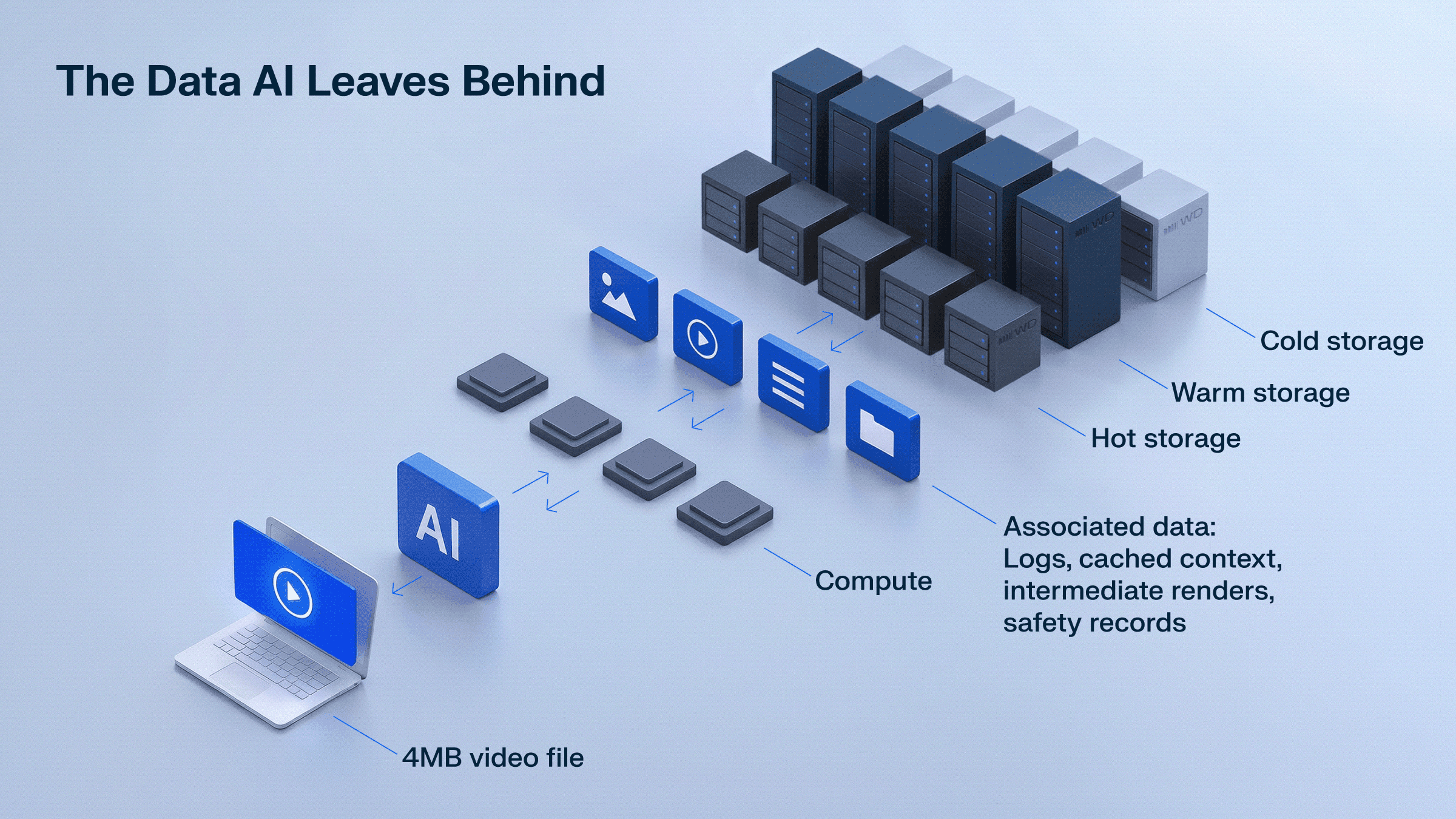
AI’s hidden storage bill: What inference leaves behind
Ask most executives to picture the cost of AI and they’ll likely see GPUs—racks of accelerators with gigawatts of power—and a waitlist for silicon. But that picture leaves something out: Data storage costs. What happens to data after a model responds? Much of the back-end data…